

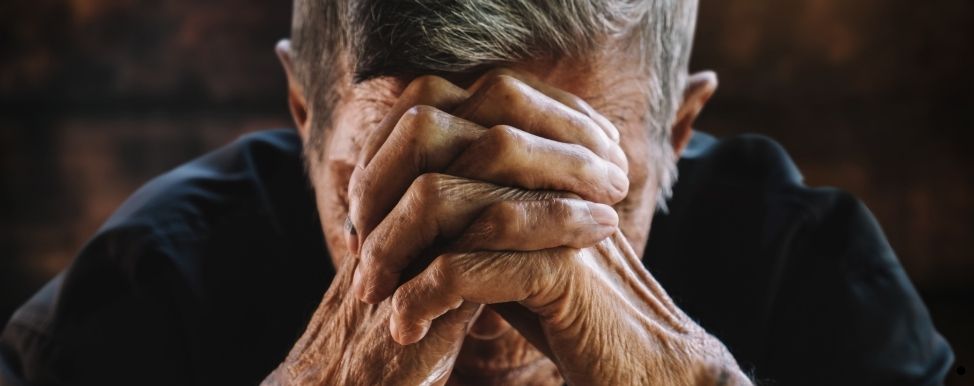
Episode: The Physical Signs of Elder Abuse: A Desk Guide
This episode draws from an essential resource the Physical Signs of Elder Abuse Desk Guide published by The Learning & Development Projects at the Silberman School of Social Work.
We’ll explore practical advocacy techniques while emphasizing professional boundaries and caseworker well-being.
Key Physical Indicators of Abuse and Neglect
The source materials provide a detailed guide to recognizing physical injuries and conditions that may indicate elder abuse or neglect. It is crucial to distinguish these signs from conditions related to aging or accidental injuries.
Bruises and Related Injuries
Abusive bruising has distinct characteristics that differentiate it from accidental bruising or age-related conditions.
- Characteristics of Abusive Bruises:
- Occur in multiple parts of the body simultaneously.
- Appear in multiple stages of healing.
- Are found in hidden areas, such as the soles of the feet.
- Are generally larger than accidental bruises.
- Complicating Factors: Blood thinning medications (e.g., warfarin, aspirin, ibuprofen) can increase the frequency and severity of bruising.
- Related Medical Terminology:
- Ecchymosis: The medical term for a bruise.
- Contusion: A blunt force injury that includes swelling, redness, stiffness, and bruising.
- Hematoma: A collection of blood under the skin, which is deeper than a standard bruise.
- Senile Purpura: Bruising that can occur in older adults from minor injuries, which should not be confused with abusive bruising.
Pattern Injuries
Pattern injuries are a direct form of evidence, as the injury on the body mirrors the object used to inflict harm.
- Appearance: They can manifest as bruises, burns, or welts.
- Examples:
- Bruising around the neck in the shape of a hand.
- Cigarette burns.
- Welts shaped like the hook of a clothes hanger.
- Burns from a steam iron or curling iron.
Fractures (Broken Bones)
While older adults are susceptible to accidental fractures, the location and type of fracture can be indicators of abuse.
- Suspicious Locations: Accidental fractures in older adults commonly occur in the hip, wrists, or vertebrae (spine). Fractures outside of these areas warrant consideration of abuse.
- Physical Signs:
- Deformity in fractured arms and legs.
- Bruising over fractured ribs, with the client unable to breathe deeply.
- Spiral Fractures: A fracture caused by a twisting force is considered a significant sign of possible physical abuse.
Head Trauma
Head trauma is a critical concern due to the risk of permanent brain damage.
- Mechanisms of Injury:
- Coup and Contre-coup Injury: Brain trauma occurring when the brain hits one side of the skull (coup) and then bounces to hit the opposite side (contre-coup), causing injury in both locations.
- Subdural Hematoma: Bleeding in the brain that can lead to a concussion or loss of consciousness.
- External Signs of Skull Fracture:
- Battle Sign: Bruising that appears behind the ears.
- Raccoon Eyes: Bruising that appears as two black eyes.
Stab Wounds
The location of stab wounds can suggest whether they were inflicted during an assault.
- Defensive Wounds: Wounds may appear on the inner aspects of the wrists and forearms, suggesting the client was attempting to defend themselves.
Pressure Ulcers (Bed Sores)
Also known as decubitus ulcers, these are a primary sign of neglect, indicating that a client was left in the same position for an extended period.
- Common Locations: They typically occur over bony areas, including the heels, sacrum (base of the spine), buttocks, hips, greater trochanter, elbows, shoulders, inner knees, back of the head, and ears.
- Device-Related Ulcers: Can also occur where medical devices are worn, such as the nose and face (from oxygen equipment), lips (from intubation tubes), or arms (from IVs).
- Staging and Types:
- Stage 1: Redness on intact skin that does not blanch (lighten) when pressed; may appear purplish, bluish, or violet on darker skin tones.
- Stage 4: The injury extends down to muscle and bone.
- Unstageable: The depth of the injury cannot be determined because it is covered by a layer of tissue.
- Deep Tissue Injury (DTI): Appears as a maroon or purple bruise or a blood-filled blister.
Burns
The nature and pattern of burns can help differentiate between abuse, neglect, and accidents.
- Abuse-Related Burns:
- Often present as pattern injuries (e.g., cigarette burns, burns from a curling iron).
- Intentional hot water burns typically appear on both sides of the body.
- Neglect-Related Burns:
- May result from clients with dementia touching hot surfaces like flames or radiators.
- Can occur when a client cannot feel heat due to health conditions like peripheral neuropathy (common in diabetics and alcoholics).
Strangulation
Strangulation attempts can be missed during assessment, partly due to terminology.
- Communication: It is recommended to use direct, simple language like “choked” or “putting hand around the neck,” and to use hand gestures to clarify.
- Physical Signs:
- Hoarse voice.
- Bruising on the face and neck.
- Ligature Marks: Marks left if a rope or similar object was used.
- Sniffing Posture: The neck is extended and the nose is raised.
- Facial Petechiae: Small red or purple spots on the skin caused by damage to small blood vessels.
Other Signs of Abuse and Neglect
Beyond direct physical injuries, other indicators point to potential abuse, neglect, or exploitation.
- Malnutrition: Signs include weakness, non-healing wounds, and weight loss.
- Dehydration: Indicated by dry skin and mucous membranes.
- Medication Issues:
- Over-medication: May be used intentionally to sedate a client, making them easier to control.
- Under-medication/Withholding Medication: Can cause chronic diseases (e.g., diabetes) to worsen or acute illnesses (e.g., infections) to go untreated.
- Signs of Sexual Abuse:
- Bruising of the inner thighs.
- Recurring urinary tract infections (UTIs).
- Sexually transmitted infections (STIs) in clients who are not sexually active or are unable to consent to sex.
Critical Escalation Protocols
Certain findings require immediate medical assessment to prevent severe, long-term consequences or death. The guiding principle is to “trust your gut” and escalate when unsure.
Condition | Escalation Triggers | Rationale |
Head Trauma | Call 911 immediately if: Slurred speech, weakness to one side of face/body, loss of consciousness, new onset of confusion, complaint of “worst headache ever,” clear liquid from ears/nose, “raccoon eyes,” or “Battle sign.” Also escalate if trauma was unwitnessed. | Risk of permanent brain damage from brain bleeding or concussions. |
Fractures | Broken legs or hips require assessment. Escalate if client has a history of falls, new difficulty walking, pain in hips/knees, or one leg appears shorter than the other. | Potential for fatal blood clots developing from leg and hip fractures. |
Strangulation | Any suspicion of strangulation requires assessment by a medical professional. | The longer the brain is deprived of oxygen, the higher the likelihood of brain death. |
Burns | Burns covering a large portion of the body need treatment. | Medical concerns include severe pain, infection, and dehydration from fluid loss through the burned skin. |
Malnutrition/Dehydration | Requires assessment, especially in summer months. Worsening pressure ulcers or non-healing wounds are also triggers. | Weakness from malnourishment or low blood pressure from dehydration can lead to fainting and falling. |
Other Situations | A client reporting fear in their living situation or living in unsafe conditions (e.g., hoarding, pest infestation) needs intervention from a healthcare professional and/or law enforcement. | To ensure immediate safety and well-being. |
Investigative and Communication Protocols
On-Site Investigation Tips
- Photography: Take pictures when possible, but only after obtaining permission from the client or their proxy.
- Scale and Measurement: Use a common item, such as a quarter, to provide a sense of scale for the size of a wound or injury.
SBAR Communication Framework
The SBAR (Situation, Assessment, Recommendation) framework is a tool to organize documentation and verbal communication with other service providers.
Component | Description | Example Phrasing |
S – Situation | A brief description of the client, the reason for the call or documentation, and how the client was referred for assessment. | “Mr./Mrs. (blank) is a (age, race) with a medical history of… and a social history of… APS is assessing this client because of…” |
A – Assessment | A summary of objective findings from the investigation—what was seen, heard, or smelled. | “My assessment is that…” |
R – Recommendation | A clear statement of the desired action or plan for the client. | “I recommend that the client be…” |
Behavioral Clues and Other Indicators
Observing the behavior of both the caregiver and the client can provide crucial context during an investigation.
Caregiver Clues
- Non-compliance with the client’s care plan (e.g., giving incorrect medication dosages, missing appointments).
- Providing vague, unlikely, or contradictory explanations for injuries.
- Delaying seeking medical care for the client’s injuries or illnesses.
- Refusing to allow the client to speak for themselves or without the caregiver being present.
Client Clues
- A noticeable change in behavior from their baseline.
- Appearing fearful, especially when the alleged abuser is present.
- A new onset of confusion.
- Displaying signs of nervousness, such as sweating or wringing hands.
- Changing the subject when asked about the alleged abuse.
- A change in speech patterns, such as developing a stutter.